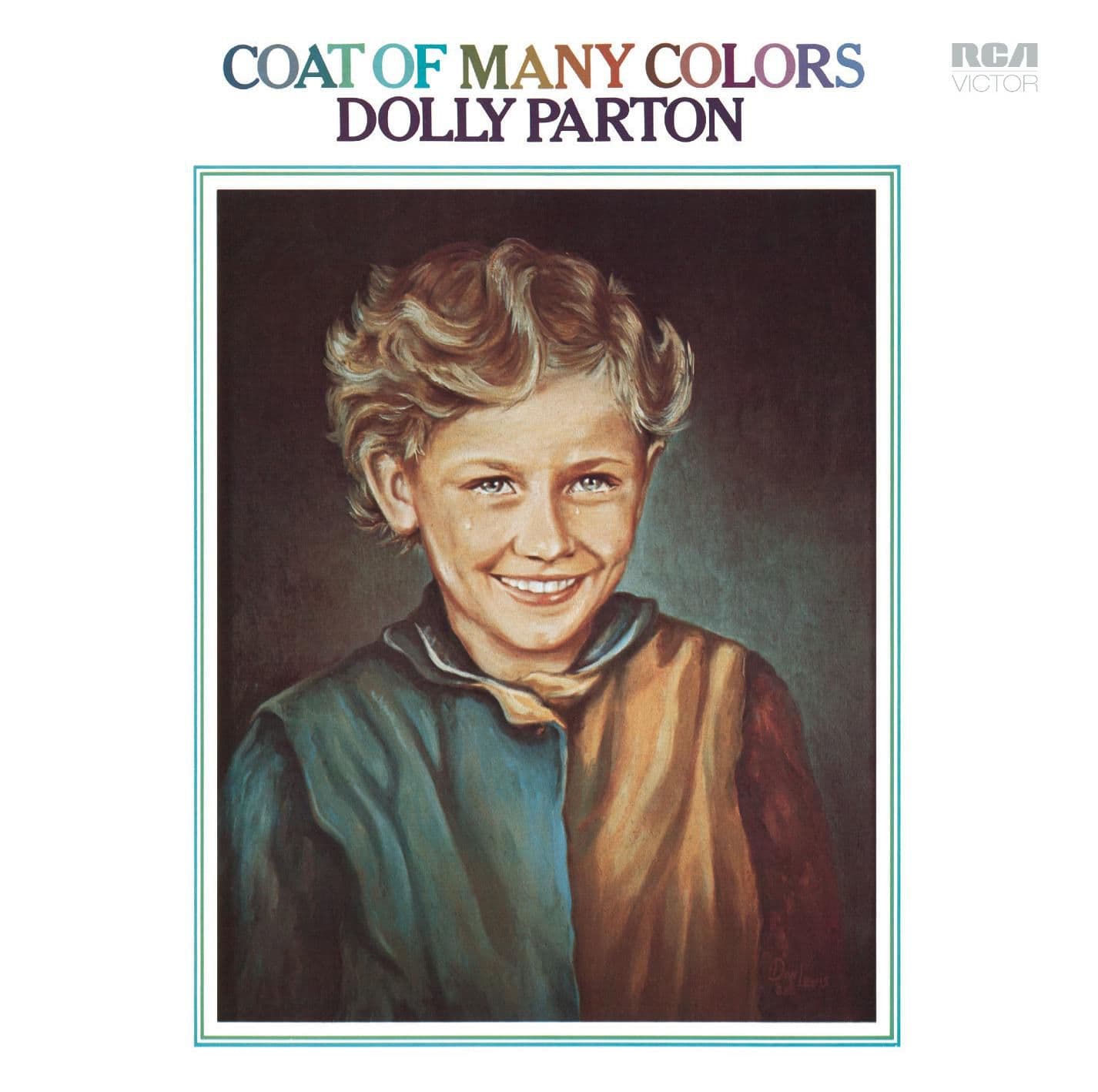
Coat of Many Colors
The Dark Truths Hidden In This Classic Dolly Parton Record

It is wild to sit here in 2026 and look back at the origins of a cultural saint. Today we treat Dolly Parton like a universal fairy godmother who unites everyone. But if you want to understand the actual blood and sweat that built her legend, you have to dig into her 1971 record Coat of Many Colors. It is a brilliant piece of work that destroys the dumb blonde stereotype she was fighting against at the time.
Back in the early seventies, Dolly was mostly known as the television sidekick to Porter Wagoner. People saw the massive hair, the rhinestones, and the giant smile, and they completely underestimated the razor sharp songwriter underneath it all. This album is the exact moment she forced the music industry to take her seriously as a standalone artist. She wrote seven of the ten tracks herself, and the subject matter is shockingly heavy. If you think early Dolly is just sweet mountain nostalgia, this record will leave you absolutely speechless.
The title track "Coat of Many Colors" is obviously the famous centerpiece. It is a stunning, heartbreaking story about extreme poverty. Dolly sings about her mother sewing her a winter coat out of old rags, telling her the biblical story of Joseph to make her feel special. The emotional twist comes when she proudly wears it to school and the other children relentlessly bully her for being poor. It is a masterclass in songwriting because she never once asks for pity. Instead, she delivers a powerful message about finding wealth in love and personal dignity. The plain spoken acoustic arrangement lets her voice carry all the emotional weight without getting muddy.
But the real shockers on this album are the darker, twisted songs that completely subvert her innocent image. Take a track like "Traveling Man". It starts out sounding like a classic country trope about a girl planning to run away with a traveling salesman. Then comes the totally insane plot twist where her own mother beats her to the punch and runs off with the guy herself. It is dark, genuinely funny, and deeply cynical.
Then there is "If I Lose My Mind", which is basically a psychological horror story set to an upbeat country melody. Dolly sings from the perspective of a woman who has to watch her partner cheat on her, fully aware that the trauma is slowly driving her insane. It is an incredibly bold topic for a female country artist in 1971. She tackles infidelity again on "She Never Met a Man She Didnt Like", dropping the sweetness entirely to deliver venomous, biting lyrics about a town tramp. Dolly proves she can be incredibly vicious when the song calls for it, and she sings it with a smirk you can practically hear through the speakers.
Musically, the record is a beautiful bridge between slick Nashville production and raw Appalachian folk. Songs like "Early Morning Breeze" and "My Blue Tears" showcase her ability to write gorgeous, soaring melodies that feel like they have existed for hundreds of years. The acoustic guitars and subtle bluegrass touches keep the songs grounded, preventing the studio producers from drowning her distinct voice in heavy orchestration.
I hold back from giving it a perfect score only because there are a couple of moments that feel like standard studio filler from that era, dragging the momentum just a tiny bit. But overall, Coat of Many Colors is an absolute triumph. It is the sound of a genius songwriter taking full control of her narrative, using her pain, her wit, and her mountain roots to craft something timeless. This album proves that behind the flashy costumes and the sweet laughter, Dolly Parton has always been a fearless storyteller willing to explore the darkest corners of human nature.