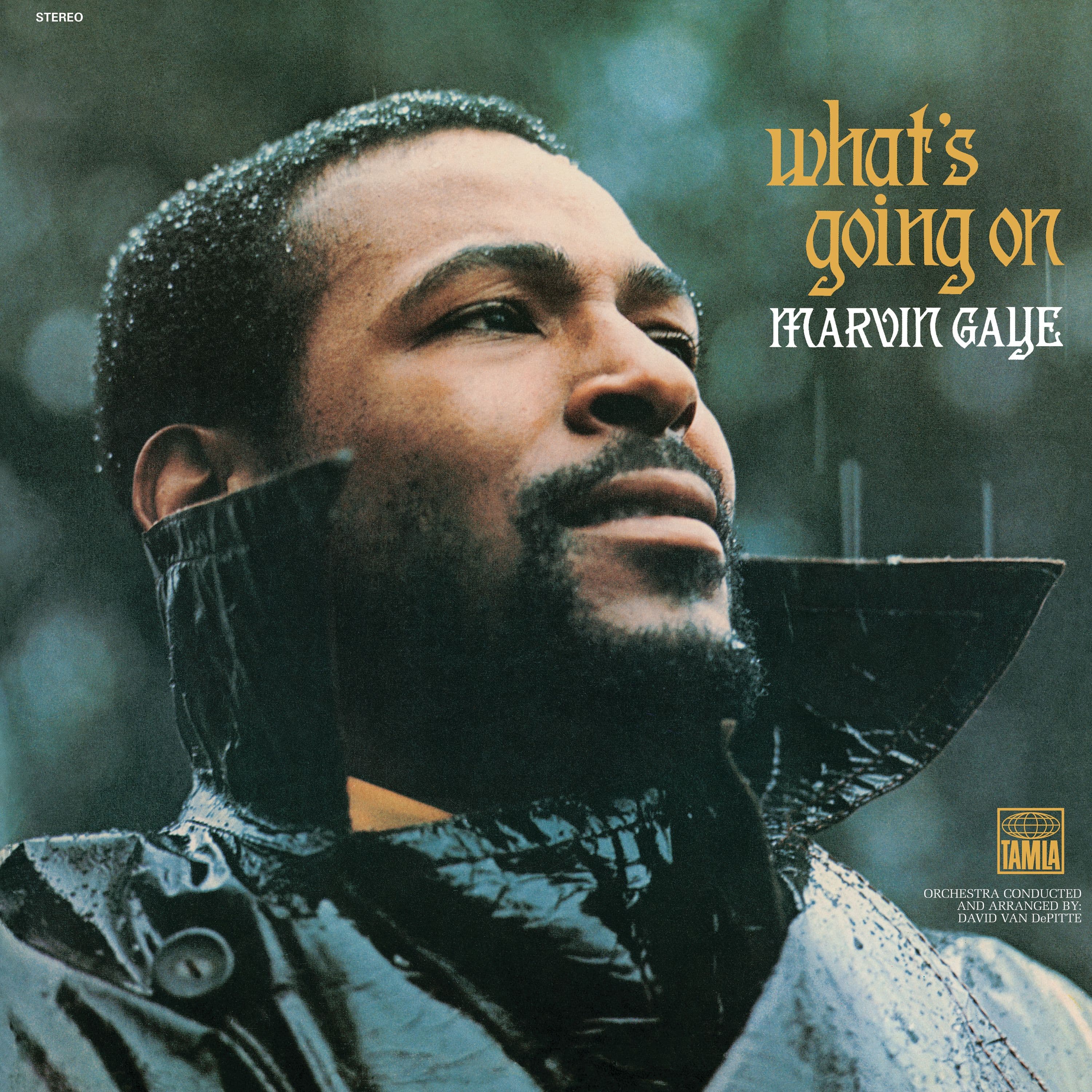
What's Going On
How Marvin Gaye Fought His Own Label and Made the Greatest Album of All Time

There are records you admire and records you need. What’s Going On is the rare kind that manages to be both, and after fifty-five years it still hasn’t loosened its grip on you.
A Battle Worth Fighting
Marvin Gaye had to fight Motown’s Berry Gordy just to get this record released. Gordy reportedly called an early version the worst thing he’d ever heard. What followed that rejection was an album that would eventually sit at the very top of Rolling Stone’s greatest albums list, a result that says everything about who was right in that argument. The fact that Gaye pushed through, refused to compromise, and delivered something this fully formed under that kind of institutional pressure is part of what makes the record feel so alive.
The Sound of It
From the first few seconds, the album pulls you somewhere specific. The Funk Brothers provide a foundation that is simultaneously loose and impossibly tight, and Gaye layers his own piano and mellotron over lush strings and jazz-inflected horns. It is soul music, but it is also jazz, classical, R&B, all of it bleeding into each other so naturally that genre labels start to feel beside the point. Crucially, the album was designed to be heard as one continuous piece. The transitions between tracks are so fluid that pulling out an individual song almost feels like an act of vandalism.
What He Was Actually Saying
Gaye structured the album around a Vietnam veteran coming home to an America that had fractured around him. Poverty, racism, addiction, ecological collapse, a government indifferent to its own people. What is remarkable about the writing is how restrained it is. He never lectures. He sounds like someone genuinely asking questions, genuinely hurting, and that emotional honesty hits harder than any amount of protest-song indignation ever could. “Mercy Mercy Me” and “Inner City Blues (Make Me Wanna Holler)” carry a quiet devastation that stays with you long after the record ends.
The Voice
It also helps that Gaye was operating at the absolute peak of his abilities here. His voice moves between tenderness and barely-controlled anguish in the space of a single phrase. On the softer moments he sounds confessional, intimate, like he is telling you something he has never said out loud before. On the bigger passages there is a weight to the performance that feels genuinely earned rather than performed.
Still Asking the Same Questions
The uncomfortable truth about What’s Going On is that it should feel like a historical document by now. It does not. The questions Gaye raised in 1971 about war, inequality, community, and a planet being slowly destroyed remain stubbornly unanswered. That is the album’s quiet tragedy. It is also the reason it still matters.